Guide
Balayage hair: the complete guide to sun-kissed colour
Balayage hair is one of the most consistently popular colour services in Australian salons, and it has held that status for years. That’s not a trend story. It reflects what most clients actually want: colour that looks natural, grows out softly and doesn’t demand a salon visit every six weeks to stay presentable. The technique delivers all three, which is why it keeps winning.
The problem is that the word gets used loosely, confused with ombré, mistaken for foil highlights or mislabelled in client reference images. Clients arrive at consultations with a saved Instagram image, ask for “balayage” without always being sure what they’re asking for, whether it suits their hair type, or how much it will cost. That uncertainty is worth clearing up before you book anything.
This guide is written from the perspective of Ryan Waugh Hairdressing, a one-chair, appointment-only colour studio in Nedlands, Perth, where hand-painted colour work sits at the centre of every service. The goal here is straightforward: give you enough knowledge to walk into any consultation with real confidence, ask the right questions, and know whether this technique is the right fit for your hair and lifestyle.
What balayage actually is
The word balayage comes from the French verb balayer, meaning to sweep. That single word explains the technique precisely. Colour is swept onto the hair in broad, painterly strokes rather than sectioned out and wrapped in foil. French colourists developed the method in the 1970s as a way to recreate the way the sun naturally lightens hair: concentrated at the ends and on the surface, not uniform from root to tip. The origin matters because it tells you exactly what the result is supposed to look like.
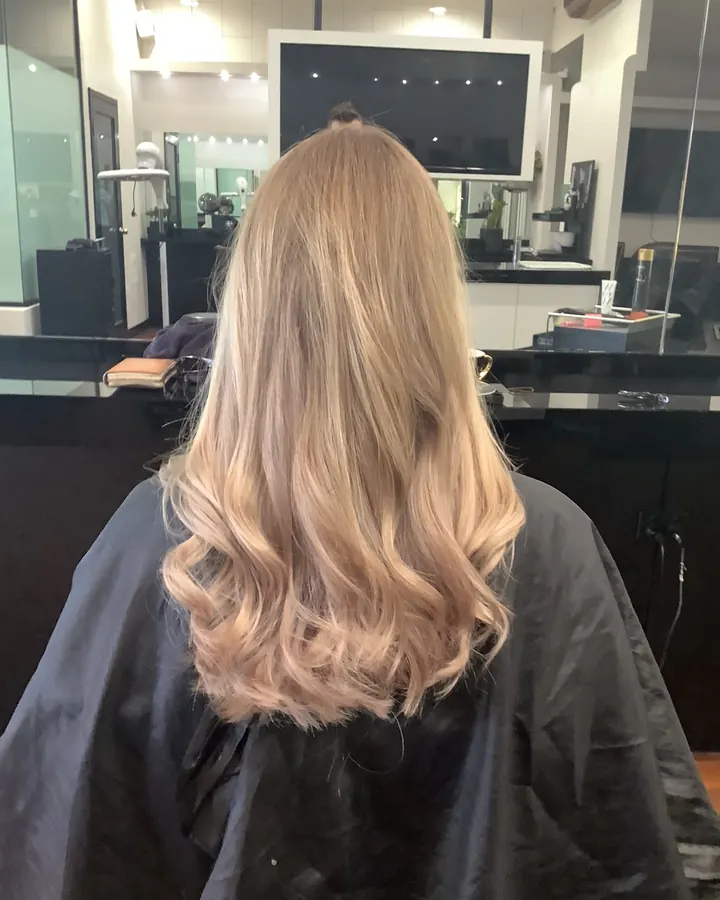
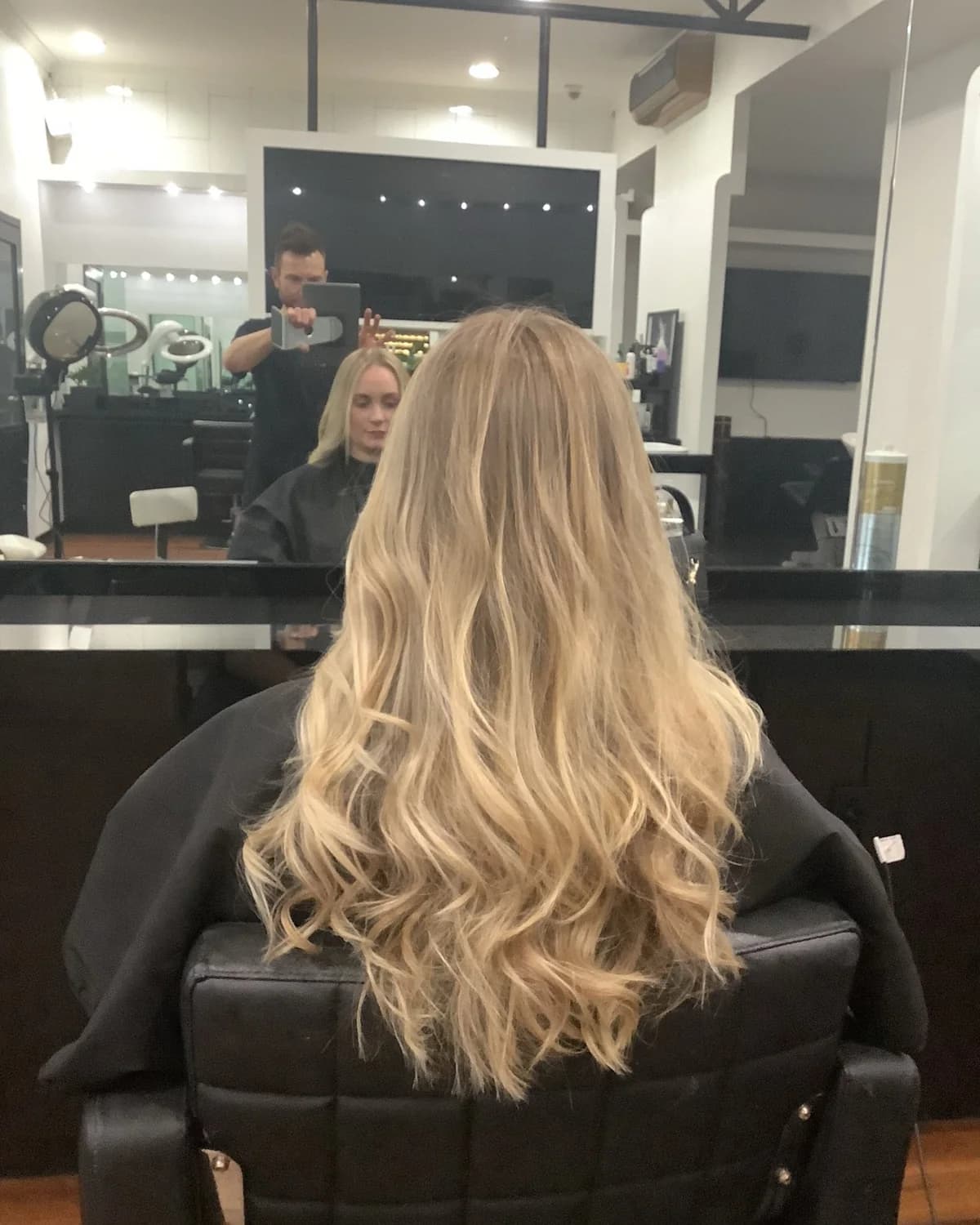
In practice, hand-painted highlights work like this: lightener is applied directly to the surface of the hair, left open to the air rather than enclosed in foil. Because there’s no heat trap, the product lifts more gradually, which is what creates that soft, blended quality. There are no harsh lines, no uniform stripes, and no stark contrast at the root. The colourist works intuitively, reading the haircut, the natural fall and the face shape, placing colour where it would realistically appear if you’d spent a summer outdoors.
Balayage vs ombré, foils and sombre: clearing up the confusion
These terms get used interchangeably, but they describe different things. Balayage is a technique, specifically how colour is applied to the hair. Ombré is a result: a defined gradient from darker roots to lighter ends, with a more dramatic visual shift through the mid-lengths. You can achieve an ombré effect using balayage, but the two words don’t mean the same thing. Ombré tends to suit clients who want visible contrast and a bolder statement; balayage highlights suit those who want soft dimension that reads almost like their natural hair at its best.
Foil highlights are a different technique again. Foiling wraps sections of hair to trap heat during processing, which drives the lightener deeper and creates brighter, more uniform results from root to tip. The effect is structured and well-defined, which suits clients who want maximum brightness or precise placement. Neither foiling nor balayage is the better technique in isolation; they suit different goals. A good colourist assesses your hair and your desired result before recommending one over the other, or a combination of both.
Sombre (a softer, more subtle ombré) and root smudge or root melt are finishing techniques rather than standalone services. They’re used alongside balayage to blend the regrowth zone more seamlessly, extending the distance between appointments and keeping the transition between natural base and lightened ends looking intentional rather than grown-out. If you’re unsure which finishing approach is right for you, that’s exactly the conversation to have at a consultation before committing to a booking.
Which base colours and hair types suit balayage best
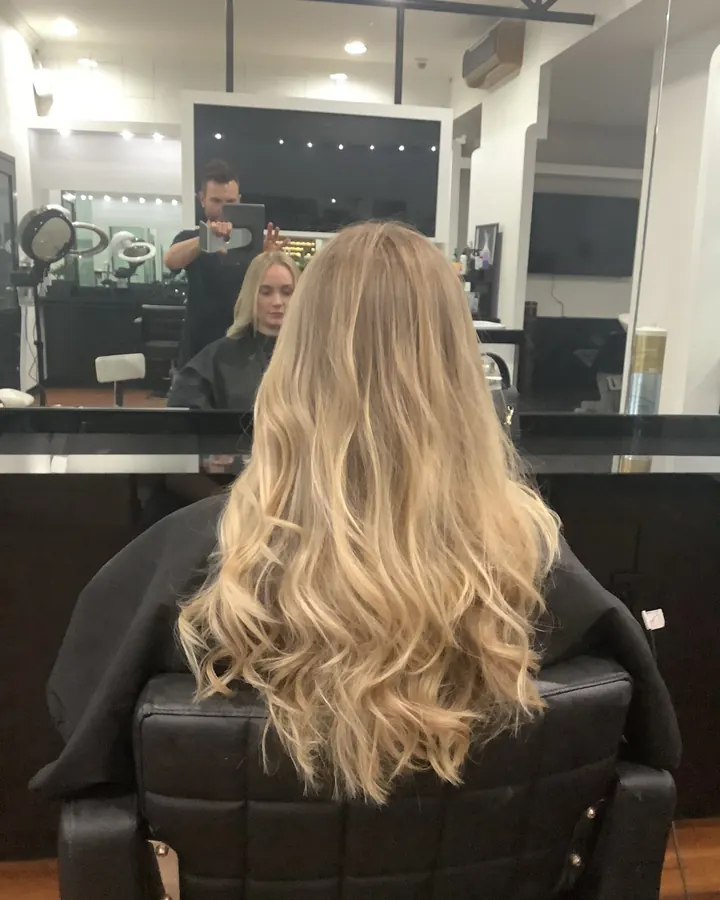
On lighter blonde bases, balayage hair can be tuned anywhere from barely-there sun-kissed dimension to bright, multi-tonal blonde. The lift required is less intense, which means shorter appointment times and less stress on the hair. Blonde balayage suits clients who want a natural, effortless look without the commitment of a heavy all-over colour service.
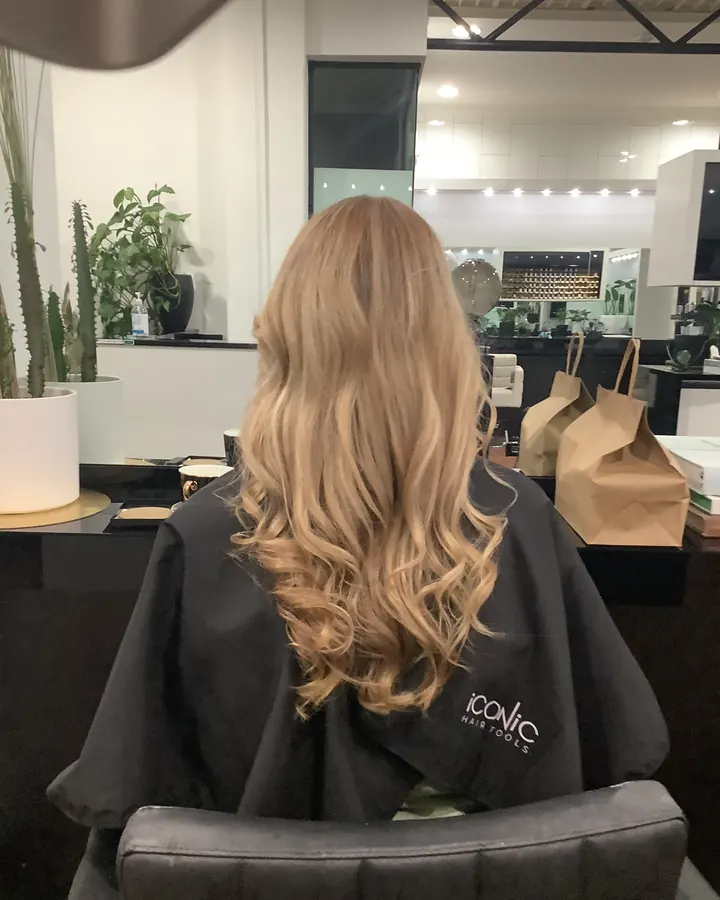
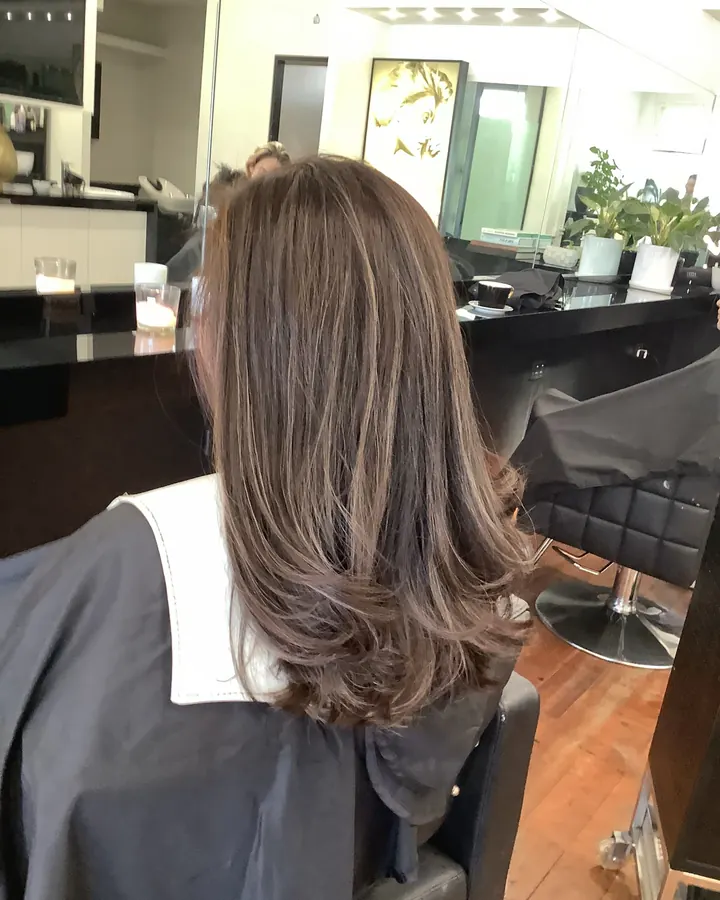
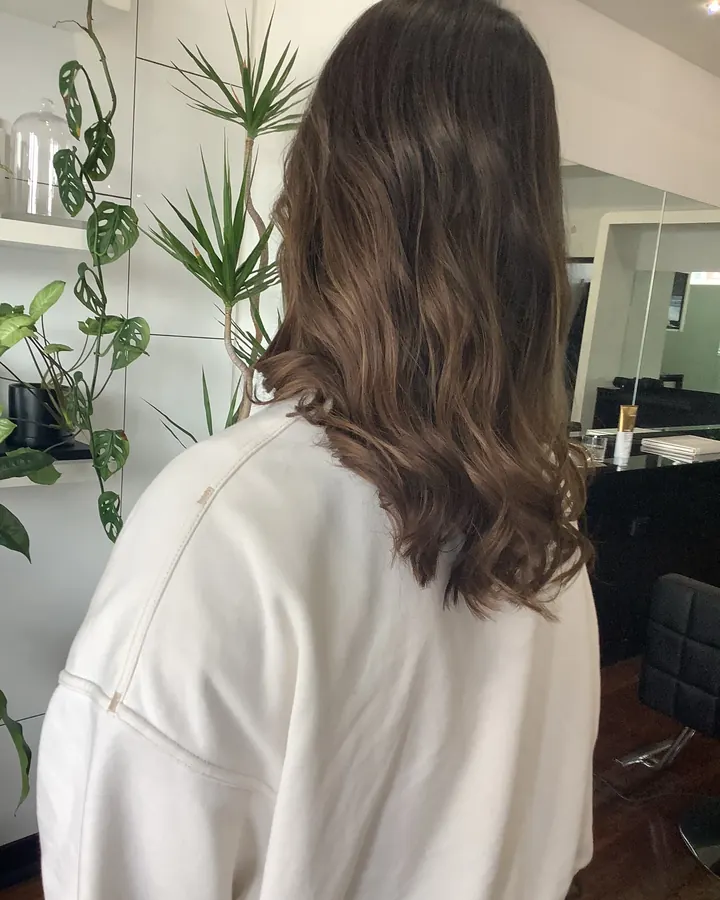
Brunette hair is where balayage often produces the most naturalistic results available in colour. Shades like caramel, honey, chocolate and cinnamon placed two to three levels lighter than the base create warmth and depth that reads as genuinely sun-kissed rather than obviously coloured.
For very dark or black bases, reaching a light result in a single session is not always realistic. A good colourist will stage the lightening across more than one appointment to avoid brassiness and protect the hair’s integrity. This is exactly the kind of conversation to have at a consultation before you book.
Curly and textured hair responds well to hand-painted colour when placement is adapted to the natural pattern. The key adjustment is painting with curl shrinkage in mind: a well-placed ribbon on a stretched strand can disappear entirely when the curl springs back. Experienced colourists working on curly or coily hair focus on the outer surface of the curl, face-framing layers and the top section, where colour stays visible once the hair is worn naturally. Chunkier, more deliberate placement tends to read better through curl definition than fine, delicate pieces.
What to expect during a balayage appointment
A thorough consultation is the step that separates a good colour outcome from a disappointing one, and it’s the step most often skipped when clients book based on a price or a photo alone. At Ryan Waugh Hairdressing, every new colour client begins with a complimentary 20-minute consultation where hair history, current condition, desired result and realistic timing are all assessed before a booking is confirmed. Bring your reference images. Disclose any previous chemical services, including box dye, relaxers or keratin treatments. Ask your questions openly. This conversation is the foundation of everything that follows.
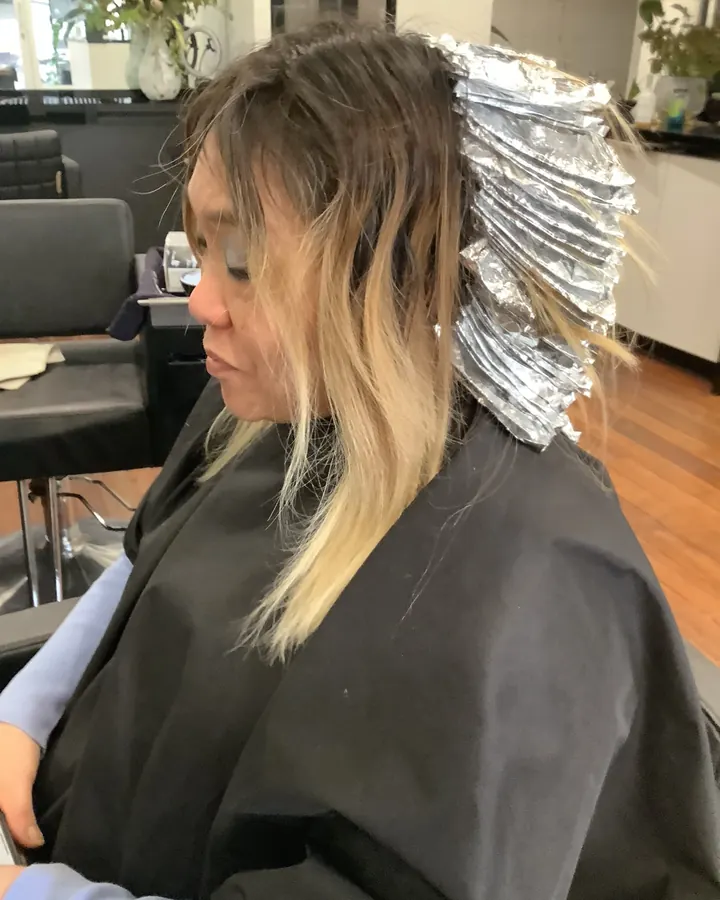
The painting stage involves sectioning the hair into clean panels, usually working from the nape upward, and applying lightener freehand with sweeping strokes. The colourist controls depth and saturation by varying the amount of product on the brush: heavier at the ends where the most lift is needed, feathered upward through the mid-lengths to create a gradual blend. No foil is involved in a pure balayage service; the sections are left open to process at room temperature.
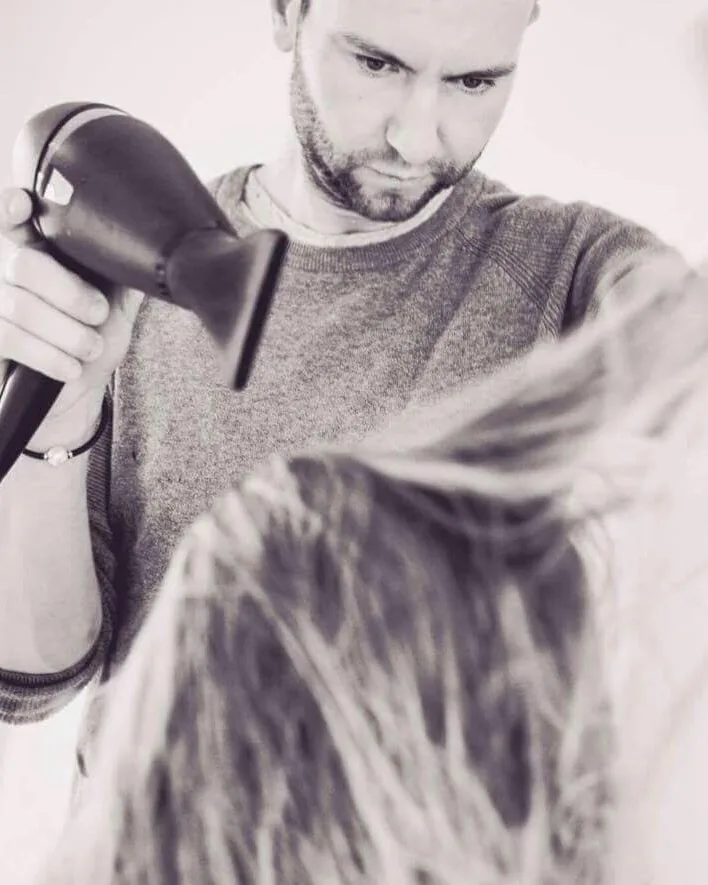
Processing time varies depending on the base colour and the target level of lift. The lightening stage is only part of the service. Once the desired lift is reached and rinsed, a toner or gloss is applied to neutralise brassiness, refine the exact shade and add shine. This step is what takes raw lightened hair and turns it into a polished, dimensional result. The blow-dry then reveals the full picture. It’s worth confirming that toner and a blow-dry finish are included in any price you’re quoted before you book, as inclusions vary between salons.
Balayage hair costs and maintenance: what to budget for
In Australian salons, a balayage service typically ranges from around $180 for shorter hair at an entry-level service up to $400 or more for longer, thicker hair or complex colour corrections. In Perth specifically, boutique salon pricing generally clusters around $280 to $300 for a standard service including toner and blow-dry, with the national average sitting in the mid-$250s to low-$300s. Prices vary based on hair length, density and the skill level of the colourist.
One of the biggest advantages of a well-executed low-maintenance balayage is the return schedule. Because soft regrowth is built into the design, most clients can stretch three to six months between full colour appointments without looking like they’ve let things slide. A toner or gloss refresh every six to eight weeks keeps the tone bright and neutralises any brassiness without requiring a full re-lightening. These refresh appointments are shorter, often 20 to 60 minutes, and significantly less expensive than the full service, typically in the $50 to $120 range.
At home, a straightforward maintenance routine makes a real difference:
- Wash two to three times a week with a colour-safe, sulphate-free shampoo and conditioner.
- Use a purple or blue toning shampoo once or twice a week if brassiness appears between appointments.
- Apply a heat protectant before any hot tool use.
- Deep-condition weekly, particularly through the mid-lengths and ends.
- Use dry shampoo between washes to reduce fading from frequent shampooing.
At Ryan Waugh Hairdressing, product recommendations are tailored to your hair type and colour result at the end of every appointment, so there’s no guesswork about what to use at home.
Questions to ask your colourist before you book
The right questions before a colour appointment reveal whether a salon is genuinely set up to serve you well. Start with the basics: Does the salon offer a consultation before you commit to a booking? Will the same person be doing your hair from start to finish? Will the price be confirmed before you sit in the chair? These aren’t difficult questions, and a colourist who operates with transparency will answer them without hesitation. If pricing is vague or a consultation isn’t offered, that’s useful information in itself.
At the consultation stage, the conversation should go deeper. Ask what shade and placement will suit your base colour and skin tone. Ask whether balayage highlights, foils or a combination is the better fit for your goal. If your hair has previous colour, ask how that affects the plan. Ask how many appointments it will realistically take to reach your target look, what your maintenance schedule should look like, and how to keep the tone fresh at home. A colourist who answers these questions clearly, honestly and without rushing is one worth trusting with your hair long term.
Your next step toward sun-kissed colour that actually suits you
Balayage hair, at its best, is hand-painted colour designed to work with your hair rather than against it. It grows out softly by design, suits most hair types and base colours when placed thoughtfully, and builds the kind of dimension that looks natural rather than obviously processed. The difference between balayage that looks effortless and balayage that looks patchy almost always comes down to two things: the skill of the colourist and the quality of the conversation before work begins. Understanding the technique, knowing what questions to ask and going into a consultation with realistic expectations puts you in a far stronger position to get a result you’ll love, no guessing, no surprises on the invoice, no anxiety about what you’re walking out with.
If you’re based in or near Nedlands, Perth, and you’d like to talk through your colour goals with a senior colourist who takes balayage hair seriously, get in touch with Ryan Waugh Hairdressing to book your complimentary 20-minute consultation. Honest advice, confirmed pricing upfront and no obligation to book on the day.